+971 4 584 1014
 +971 58 684 1014

If you are looking at big gaps from more than one missing tooth, there are generally two working alternatives: a fixed implant bridge (teeth attached to implants that don’t come out) and a removable denture (a partial or full plate that can be taken out for cleaning). Implant bridges are apt to feel more like real teeth and be more stable, while removables can be less expensive initially and faster to fabricate. The best option depends on your bone level, bite, life style and how long you would like the result to last.
Missing teeth isn’t only about looks. It can change how you chew, how clearly you speak, and even how your face sits over time. So, choosing the right solution matters, because it impacts the way we live our day-to-day lives and not just snap selfies.
The jawbone below receives less stimulation when a tooth is absent. That area can actually get smaller over time. Nearby teeth, meanwhile, can drift and your bite may start to feel “off. So what begins with one gap can turn into a larger planning task in time.
Also, people naturally start chewing on one side. That can result in extra wear, jaw pain and even headaches for some. Put differently: if you fix it sooner, you have more options. Get details on Dental Clinic in Dubai.
An implant supported bridge is simply a series of replacement teeth attached on implants and is secured to the jaw bone. Rather than having an implant for each missing tooth, your dentist might not need as many to help support a bridge.
Simple example:
If you are missing 3–4 teeth in a row, and they are all adjacent to each other, you will likely require two implants to support a fixed bridge (bone volume, biting force, location of the missing gap dependant). Looking for a Dental Implants Clinic in Dubai?
A removable denture is a custom plate with teeth attached. You take it out to clean it. It can replace:
Some people choose implant-retained dentures too. Those are removable, but they “clip” onto implants for better hold. So you get more stability without going fully fixed.
Implant bridges stay in place. That means you can chew, talk, and laugh without worrying the teeth will shift.
Key advantages:
Implant bridges usually need a minor surgical procedure, and they often cost more at the start. In addition, healing time can be part of the plan (though some cases allow faster loading).
Common limitations:
Removable dentures may be a more realistic first step, especially if you are looking for a faster fix or not ready to have surgery.
Key benefits:
Here’s the real-life part: some people struggle with movement, sore spots, or a bulky feeling. Also, standard removables don’t prevent bone shrinkage in the same way implants do. So the fit can change over time, and you may need relines.
Typical challenges:
Both can look great. However, implant bridges often give a more consistent look because they don’t move, and the gum line can be designed more precisely. That said, a well-made partial denture can look very natural too.
And yes—starting with a removable and upgrading later is a real plan. It’s not “giving up.” It’s just timing and budget.
Each case is unique, but the process generally for implant bridges is as follows:
In addition, many people get a temporary solution during healing, so they aren’t left with obvious gaps. Get details on Dental Implants in Dubai.
The first days can feel odd—saliva changes, speech feels different, chewing feels slower. However, once the fit is right, most people settle in. Get details on Tooth Replacement with Implant in Dubai.
If you are replacing multiple teeth, you may also be looking for a whiter smile overall. Teeth whitening can only whiten natural teeth, it will not change the shade of implant bridges or denture teeth. This means that if you did choose to whiten after you have had your new teeth placed, any natural teeth may just lighten in shade, while the replacements remain the same.
A simple, smart approach is:
This planning is a big reason people search for the best dental clinic in dubai—you want a team that thinks about function and aesthetics together, instead of doing it in random steps.
Related Articles:
» Dental Implants: Everything You Need to Know
» Procedures and different kinds of Dental Implants
» Dental Implants in Dubai: Restoring Your Smile with Confidence
» How Dental Implants Support Jawbone Health and Why It’s Necessary?
» Reclaim Your Smile with Dental Implants in Dubai
Replacing multiple teeth isn’t “just filling a gap.” The bite must be balanced, the smile needs to look natural, and cleaning access has to be realistic—because you’ll live with it every day.
At Starry Smile Dental Centre in Dubai, many patients appreciate having options explained in plain language, with clear pros/cons and visuals. That kind of planning reduces surprises later, and it makes decision-making less stressful.
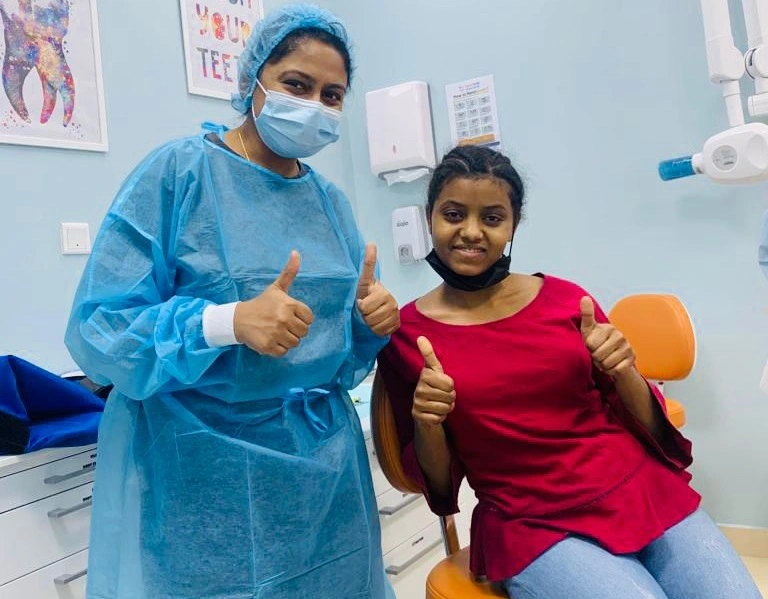
Implant bridges typically produce the best, most-stable, and most natural-feeling result, whereas removables can be a more expedient and economical alternative — particularly for starters. It depends on bone health, comfort, timeline and long-term goals. And if you’re also considering teeth whitening, it’s worth planning shade and timing from the start.
If you’re deciding between implant bridges and removables in Dubai, book a consultation with Starry Smile Dental Centre. A proper exam and a clear plan will allow you to decide confidently.
Not always. Implant bridges are more stable and offer greater chewing power, but a removable may be a wise choice if you’re looking for something faster or less expensive. The story of your bone, bite and health history is important
It depends on the number of missing teeth and where they are. Often, a few implants can support several teeth. Your dentist will plan it based on bone strength and bite force.
Yes, They are fixed, so they don’t move around when you eat or talk. But you still have to clean under the bridge every day to maintain gum health.
They can shift, especially lower dentures. A good fit helps a lot, and adhesive may help in some cases. If movement is a big problem, implant-retained options may be worth considering.
They’re not “hard,” but they do need the right tools. You’ll usually clean under the bridge using special floss, interdental brushes, or a water flosser. Once you learn the routine, it becomes normal.
Many cases take a few months because implants need healing time. However, some patients can get a temporary tooth solution during healing. Your dentist will give a timeline based on your situation.
Partials can put pressure on supporting teeth if the design isn’t ideal or if the denture isn’t maintained. Also, plaque around clasps can increase decay risk. Regular check-ups and cleaning reduce this risk.
Sure, and people do it constantly. You can use a removable can as a temporary step as you make plans (or budgets) for the implants. You will be able to move up to an implant bridge or implant-retained denture later.
The majority of implant surgery is performed under local anaesthetic, so you should not feel any pain during the treatment. You may be sore in the days following. The vast majority of patients are able to control it with simple medication and rest.
Yes, if whitening is suitable for you. Teeth whitening will not alter the color of implant bridges or denture teeth, so whitening first helps everything match. Your dentist can recommend the best timing.
You may still be a candidate with bone grafting or other techniques. If implants aren’t suitable right now, a removable (or implant-retained removable) can still work well. A scan will give the real answer.
Look for a clinic that offers both implant and removable options, uses proper imaging, and explains treatment clearly. Also check if they plan bite, aesthetics, and hygiene access together. Feeling comfortable with the team matters too—you’ll be seeing them for a bit.