+971 4 584 1014
 +971 58 684 1014

A cavity will rarely begin with severe pain. The earliest stage of tooth decay will cause no discomfort at all. This silent development can lead people to delay a dental visit. Until sensitivity. Toothache. Or swelling appears. By that stage. The damage will already require extensive treatment.
Early treatment of cavities. This helps protect the natural tooth. Before decay reaches its deeper layers. Also timely care will involve simpler procedures. Shorter appointments. Also less discomfort. At Starry Smile Dental Clinic in Dubai. Regular assessments will allow the dentist to identify early changes. Also recommend treatment before a small problem becomes painful.
Dental cavities will develop. When bacteria in plaque feed on sugars. Also starches left in the mouth. So the bacteria release acids. That removes minerals from the tooth enamel.
The damage will appear as a faint white. Or a chalky patch. This stage is known as enamel demineralisation. The tooth surface has not formed a hole yet. So fluoride and improved oral hygiene will help strengthen it.
But repeated acid attacks will weaken the enamel. Once the surface breaks. A permanent cavity forms. The decay will then spread into the dentine. Which sits beneath the enamel. Since dentine contains tiny channels. Connected to the tooth’s nerve. Patients will start noticing sensitivity to sweets. Cold drinks. Or hot food.
When treatment remains delayed. Decay can reach the dental pulp. Also cause severe pain. Infection. Or an abscess. Looking for a Dental Clinic in Dubai?
|
Stage of decay |
Common signs |
Possible dental treatment |
|
Early mineral loss |
White spot, usually no pain |
Fluoride treatment and oral-care advice |
|
Enamel cavity |
Small hole or dark mark |
Dental filling |
|
Dentine decay |
Sensitivity to cold, heat, or sweets |
Filling or inlay, depending on damage |
|
Pulp involvement |
Persistent pain or night-time toothache |
Root canal treatment and crown |
|
Dental infection |
Swelling, fever, bad taste, severe pain |
Urgent infection control and tooth-saving treatment |
|
Severely damaged tooth |
Broken tooth or advanced infection |
Extraction if the tooth cannot be restored |
The right option will depend on the depth. Also location of the decay. So the dentist will examine the tooth visually. Also use dental X-rays when necessary.
During the earliest stage. Fluoride will help restore minerals to weakened enamel. The dentist will identify habits. That contributes to decay. Like frequent sugary drinks. Poor brushing technique. Dry mouth. Or repeated snacking.
Once a hole develops. Enamels cannot grow back naturally. A dentist will need to remove the damaged area. Place a tooth-coloured filling.
Pain will appear. After decay has moved. Beyond the enamel. Waiting for symptoms will not offer a reliable way to judge. Whether the teeth are healthy.
Early detection will allow treatment. Before the cavity reaches sensitive dentine. Or the dental pulp. For patients. This means avoiding sudden pain during meals. Sleep. Work. Or travel.
A small cavity will require the removal of less tooth tissue. Than a large one. So prompt treatment will help retain strong and healthy teeth.
Advanced decay will require a large restoration. Root canal therapy. Or a dental crown. In severe cases. The dentist will have no option. Other than removing the tooth.
A straightforward filling generally requires less clinical work than treatment for deep decay. Early care will prevent the need for multiple appointments. Also complex restorative procedures.
Though every case differs. Treating decay early will protect the tooth. Also the patient’s dental budget. Get details on Orthodontic Treatment in Dubai.
Early decay will cause no obvious symptoms. Arrange a dental check-up when you notice:
Seek urgent dental care. When tooth pain comes with facial swelling. Fever. Difficulty opening the mouth. Or trouble swallowing.
Related Services:
A dentist will apply a concentrated fluoride varnish or gel. To an area of early enamel damage. Fluoride will help strengthen enamel. Also supports remineralisation. However, this option works best before a physical hole has developed.
Deep grooves in back teeth. This will trap plaque and food. So a dentist will recommend fissure sealants. Particularly for children and teenagers. The sealant will create a protective barrier. Over vulnerable chewing surfaces.
When decay has created a cavity. The dentist will remove the damaged tissue. Also restore the area with filling material. Composite fillings will match the natural tooth shade. Making them a popular choice for visible and back teeth.
When bacteria reach the dental pulp. A filling alone will not solve the problem. But the dentist will clean the infected inner tissue. Through root canal treatment. Also protect the tooth with a suitable restoration.
Related Articles:
» Tooth Decay Treatment: Types and Benefits of Dental Fillings
» Tooth Decay in Kids: Signs, Causes, and Prevention Tips
» How Cavities can Affect Your Oral Health?
» Are you at high risk for cavities?
Brush twice daily. With fluoride toothpaste. Particularly before sleeping. Clean between the teeth. Using floss or an interdental brush. Because ordinary brushing will not fully reach these spaces.
Limit the number of sugary snacks and drinks. Consumed throughout the day. The frequency matters. Because each sugary exposure will trigger another acid attack. So enjoying sweets with a main meal. This will cause less repeated exposure. Than grazing on them for several hours.
Drink enough water. Also attend routine dental examinations. People with braces. Dry mouth. Gum recession. Existing fillings. Or a history of frequent cavities. This will need more personalised preventive care.
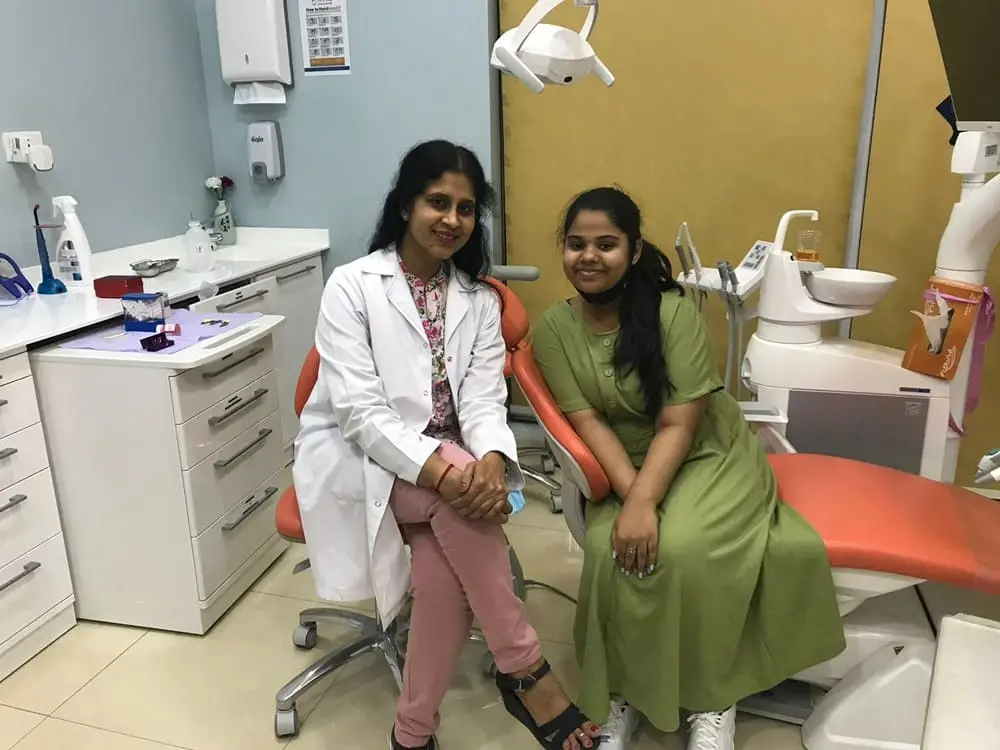
Small cavities will not always stay small. But an early dental assessment. This will reveal decay. Before it causes major discomfort.
Starry Smile Dental Clinic will provide cavity detection. Fluoride treatment. Tooth-coloured fillings. Preventive dentistry. Dental X-rays. Also restorative care in Dubai. The dentist will assess the affected tooth. Also explain the suitable treatment. Without rushing directly into unnecessary procedures.
Prevention will remain easier. Than treating advanced decay. Never wait until the tooth starts hurting. A simple dental check today. This will prevent pain. Infection. Also complex treatment later.
Very early enamel damage. This will remineralise with fluoride. Saliva. Effective brushing. Also dietary changes. But a cavity that has already formed a hole. It cannot heal by itself.
The dentist will use a visual examination. Specialised instruments. Bitewing X-rays. Also other diagnostic methods. To identify early decay. between teeth. Or beneath existing restorations.
No. Early mineral loss without a physical hole. This will respond to fluoride. Also preventive care. But established cavities require a filling. Or another restoration.
Enamel has no nerves. So decay will remain painless. Until it reaches the dentine. Or pulp. The absence of pain will not always mean the cavity is harmless.
It will appear as a chalky white patch. Brown stain. Dark groove. Or a small rough area. But some cavities will remain hidden. Between teeth. Also requires an X-ray for detection.
Dentists will numb the area. Before placing a filling. Most patients feel pressure. Or vibration. Rather than sharp pain. During the procedure.
The rate will differ between patients. Diet. Saliva flows. Oral hygiene. Enamel strength. Also cavity location will affect progression. Regular checks will help monitor these changes.
Yes. Sensitivity to sweets. Cold. Or heat will suggest decay. Exposed roots. Enamel wear. Or another dental issue. A dentist must identify the exact cause.
Children will face a higher risk. Because of frequent snacking. Brushing difficulties. Deep tooth grooves. Also developing oral-care habits. Supervision and preventive visits will matter.
Yes. Decay will form around a damaged and worn, or leaking filling. Regular dental examinations will help identify these areas. Before the tooth becomes painful.
The ideal interval will depend on individual risk. Some people will attend every six months. While others will need a different schedule. Recommended by their dentist.
Seek urgent care. When pain becomes severe. The face or gum swells. Fever develops. The tooth breaks. Or swallowing becomes difficult. These symptoms will indicate an infection.