+971 4 584 1014
 +971 58 684 1014
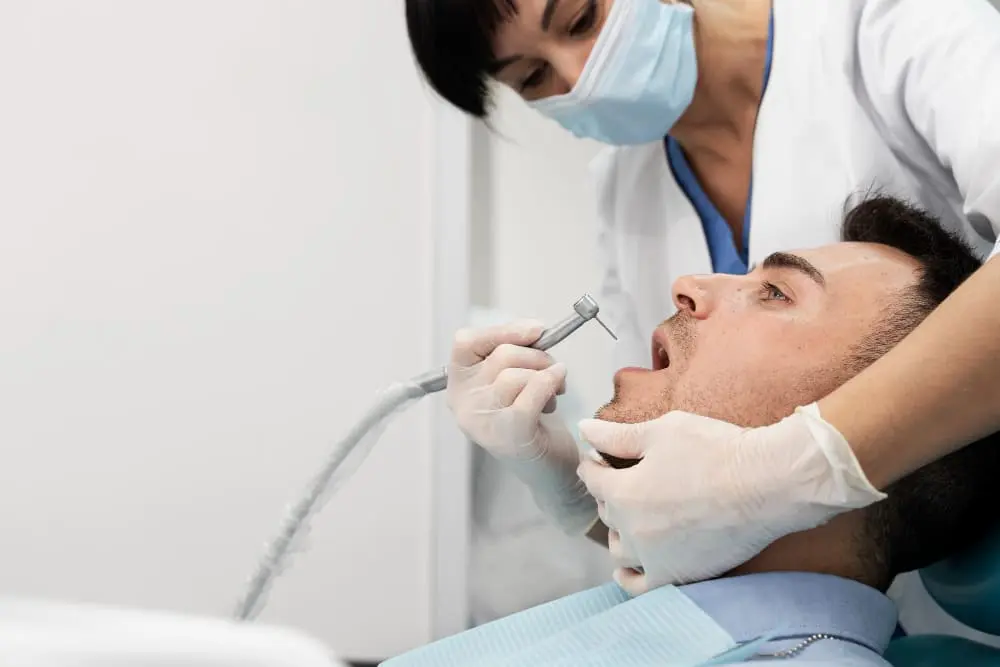
Dental implants are a great solution when natural teeth are missing. They look and feel like real teeth and whether taken care of well, they can last for many years. Just like natural teeth, implants even need daily care to stay strong and clean. Without proper cleaning they might get infected or lost over time. The good news is, keeping them healthy isn’t that hard with a bit of effort each day.
Dental implants are made to replace lost teeth. They go into the jawbone and stay in place like roots. But while the implant itself won’t decay, the gums and bones around it still can. Whether bacteria build up, they can cause swelling, pain or even lead to implant failure. That’s why looking after implants is just as important as caring for real teeth.
Brushing is the first step to good implant care. Use a soft toothbrush so the gums don’t get hurt. Hard brushes can hurt the gums and make them bleed. It’s best to brush twice daily for about two minutes. Electric brushes even work well and remove more plaque. Make sure to clean all sides of the implant and not just the front.
Flossing helps remove food bits and plaque between the teeth and around the implant. That’s a spot the brush can’t always reach. Special floss is available for implants that is gentle and will not harm them. A small number of people rely on tiny brushes known as interdental brushes, rather than floss. They both work, so pick the one that feels better.
And a good mouthwash can kill germs and freshen the mouth. Choose one that fights plaque and aids in gum health. Avoid mouthwashes with alcohol as they can dry out the mouth and make things worse. Rinsing when a day adds another layer of protection.
Smoking slows healing and harsh gum health. It can cause infection or even cause the implant to fail. Smokers often have more problems with implants than non-smokers. Whether quitting smoking is hard, try to get help. Even cutting down can make a difference over time.
Biting down on crushable things like candy or ice can break implants. Also, attempt to consume softer foods and chew with care. Even sticky foods like toffee might pull on the crown part of the implant. Eat a mix of fruits, veggies and entire grains to keep the mouth healthy. Water is always better than sugary drinks and it helps wash away food bits too.
Regular checkups are a must for implant care. A dentist can check for signs of trouble early on. Cleaning at the clinic is deeper than at home and can remove tartar from tight spots. Most people should visit every six months, though some may require to go more often.
Special tools make cleaning implants easier. These also are floss threaders, angled brushes and rubber tip stimulators. Others use water flossers, which emit water to clean between teeth and around the gums. These devices are harmless and compatible with brushing.
Dental implants are durable, they’re not indestructible. Brush and floss gently.
Still, don’t skip it even for one day. Missed cleanings allow bacteria to grow fast. Once gum disease starts, it’s not easy to fix. So it’s better to stop it before it occurs.
Look for signs of bleeding gums, pain and swelling or bad breath. These may mean something’s wrong. Also, if the implant feels loose or bites feel different, visit a dentist soon. Catching issues early means easier and cheaper treatment.
Health problems like diabetes can affect healing and gum health. People with such problems require extra care of their implants. Always tell the dentist about any medical changes, also if they seem small.
Dental implants can last a really long time when taken care of properly. Daily cleaning, intelligent food choices and keeping regular dental visits go a long way. It just only takes a few minutes a day, however it keeps the implants in great shape. Cleanliness promotes healthy habits which will avoid future pain, cost, and trouble. Healthy gums and implants also ensure a healthy smile that endures.
With good care, they can last over 15 years or more.
Yes, twice a day, just like natural teeth.
No, if used gently with soft or special implant floss.
Hard, sticky or sugary foods should be limited.
Yes, it increases the risk of infection and failure.