+971 4 584 1014
 +971 58 684 1014
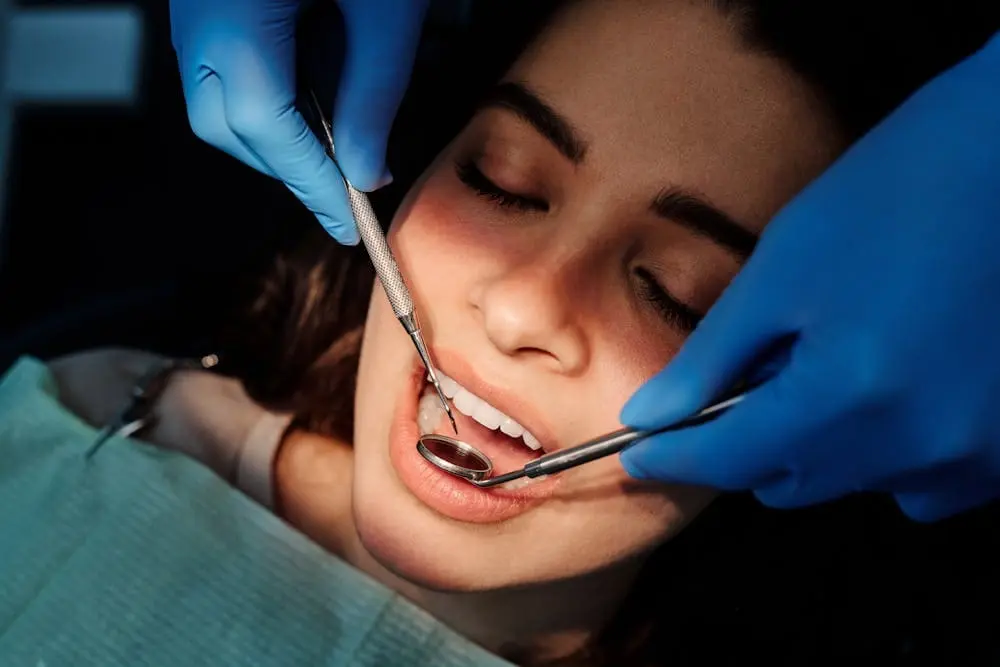
Clearly, Sensitivity improves when you use targeted products (like fluoride or nano-hydroxyapatite toothpaste), reduce dietary acid/sugar, seal exposed dentin, and remineralize enamel. Moreover pair that with gentle brushing, a soft brush, and night-grind protection—and most people feel relief fast.
Apparently, When enamel thins or gums recede, tiny channels (tubules) in dentin transmit temperature and touch straight to the nerve. Because of which, cold water, sweet foods, and even a windy inhale can sting. Common drivers include:
Because causes stack, you’ll solve sensitivity faster when you tackle structure (enamel/gums), chemistry (pH, minerals), and habits (brushing, grinding) together. Get details on Dental Clinic in Dubai.
Use a 1,350–1,500 ppm fluoride toothpaste twice daily; do not rinse right after—spit, then leave a thin film. For hotter cases, stannous fluoride toothpastes both remineralize and occlude tubules, easing pain quickly.
This enamel-mimicking mineral fills micro-defects and can smooth the surface, which reduces fluid movement inside tubules. Many notice “silkier” teeth within weeks.
Your dentist can apply varnish (fast relief) or prescribe high-fluoride gel for nightly trays. Consequently, minerals diffuse deeper and sensitivity fades.
If suitable for you (avoid with milk protein allergy), CPP-ACP creams deliver bioavailable calcium/phosphate exactly where enamel needs it.
Pro tip: Rotate stannous fluoride in the morning and n-HAp at night for a month. Evaluate, then stick with what quiets your teeth best. Looking for a Root Canal Treatment in Dubai?
Acid softens enamel; then brushing, clenching, or even chewing scrapes it away. So, manage your pH timeline:
Because enamel heals between acid hits, these timing tweaks deliver outsized wins without feeling restrictive.
Besides this , floss or water-floss before brushing so toothpaste minerals reach every surface. Get details on Dental Crowns in Dubai.
Workflow idea: Morning stannous fluoride → midday water/xylitol support → night n-HAp + no-rinse finish.
Sensitivity should improve within 2–4 weeks of a smart routine. However, book an exam sooner if you notice:
Apparently, You may need gum treatment, or a crown, desensitizers, varnish and bonding. Treating structural issues early keeps sensitivity from becoming nerve pain. Looking for a Teeth Whitening Treatment in Dubai?
Additionally, reassess in two weeks. More than that, If sensitivity persists, escalate to bonding or varnish with your dentist.
Related Articles:
» How to Keep Your Gums Healthy?
» Ways to Take Care of Your Gums
» Understanding Dental Gums: Common Issues and Solutions
Apparently, to fix sensitive teeth, combine stannous fluoride, (nano-hydroxyapatite) enamel repair (fluoride,) with gentle brushing, and diet fixes (smarter timing, fewer acid attacks,) . After that Add desensitizing toothpaste, consider varnish or bonding, and protect against grinding with a night guard. Because of which, most people feel steady relief within two to four weeks, especially when they stop rinsing after brushing and keep acids to meals.
Often within 2–4 weeks of consistent remineralization and diet changes.
Yes—spit, don’t rinse, so minerals stay on enamel longer.
Try stannous fluoride or potassium nitrate; many also benefit from n-HAp.
Yes; pause, repair with n-HAp/fluoride, then restart gently.
They can reduce contact, but keeping acids with meals helps more.
Yes—cracks or decay may exist. See your dentist.
Gums don’t regrow, but bonding/varnish can cover exposed dentin.
Use them as add-ons; proven remineralizers should lead.
Soft or extra-soft, low pressure, and a two-minute timer.
If you grind, yes—guards reduce micro-cracks and sensitivity.