+971 4 584 1014
 +971 58 684 1014
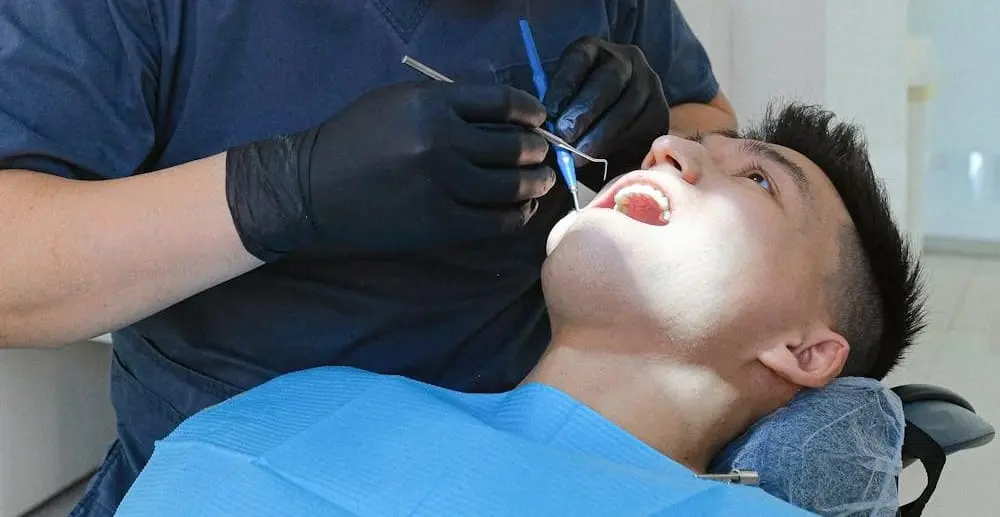
Modern dental CAD/CAM combines intraoral scanning, AI-assisted design and chairside milling to make crowns that fit perfectly, occlude consistently and are ready the same day. This means less time in the chair, fewer remakes, and happier patients.
Traditional workflows bounce between impression trays, stone models, wax-ups and multiple lab visits. Errors creep in at each transfer. By contrast, digital impressions capture the dentition in minutes. Then, because the file moves instantly to CAD software and a CAM mill, you skip shipping delays and stone expansion. Therefore, restorations arrive faster—and they seat more predictably. Looking for a Dental Clinic in Dubai?
A calibrated intraoral scanner records prep margins, emergence profiles, and occlusion in color. Moreover, real-time feedback flags missing data or saliva streaks so the clinician rescans only the area needed—no full retakes, no gag reflex. Consequently, you create a clean STL (or PLY/OBJ) ready for design within minutes.
Why it’s faster
Today’s CAD engines propose anatomy, contacts, and occlusion in seconds using tooth libraries and AI. Then, you refine cusp height, connector thickness, or proximal contact points with sliders—not wax. Because the software checks minimums and undercuts automatically, you prevent surprises at the mill or in the mouth.
Design checkpoints that save time
With chairside milling, you turn files into ceramics on the same visit. A 4- or 5-axis mill uses smart toolpaths to cut lithium disilicate or zirconia blanks. These paths find the right balance between speed and surface finish. Because the mill tracks bur wear and auto-calibrates, your intaglio surfaces remain faithful to the CAD.
Chairside playbook
Marginal fit wins or loses on detail. Digital shines because:
Therefore, crowns drop in with minimal adjustments. Moreover, cuspal anatomy matches the virtual articulator, so you polish, not grind.
Because the CAD defines minimal thickness and connectors, you maintain material strength while preserving tooth structure.
Even though the focus is clinical, equipment lives in real environments. Consequently, precision depends on calibration and maintenance:
Tidy devices produce tidy margins. And because uptime matters, a short preventive schedule protects throughput.
Because patients see their teeth on screen, case acceptance rises. Meanwhile, same-day delivery reduces temporaries (and breakages). Additionally, fewer appointments mean fewer injections and less time off work. Net effect: better reviews and a calmer book.
Perception boosters
Plenty of clinics scan and send files to a digital lab. That still speeds delivery because labs skip stone and wax. More importantly, complex cases (full-arch zirconia, implant bars) benefit from lab-grade 5-axis milling, multi-unit nesting, and layered ceramics. Therefore, you choose case-by-case: chairside for single units, partner-lab for advanced esthetics.
Before bonding, run a fast three-point check:
Additionally, glaze or stain-and-glaze gives a harder, easier-to-clean surface. Finally, take a quick post-op scan/photo for records; it supports remakes or future comparisons.
Related Articles
» Does Teeth Whitening Cause any Dental Problems?
» How to Prevent Tooth Decay in Children
» Strong Enamel: Bright Smile
» Dental Crowns: What You Need to Know About Dental Crowns
» When You Need Emergency Dental Care
Because data guides upgrades, you’ll invest where it matters.
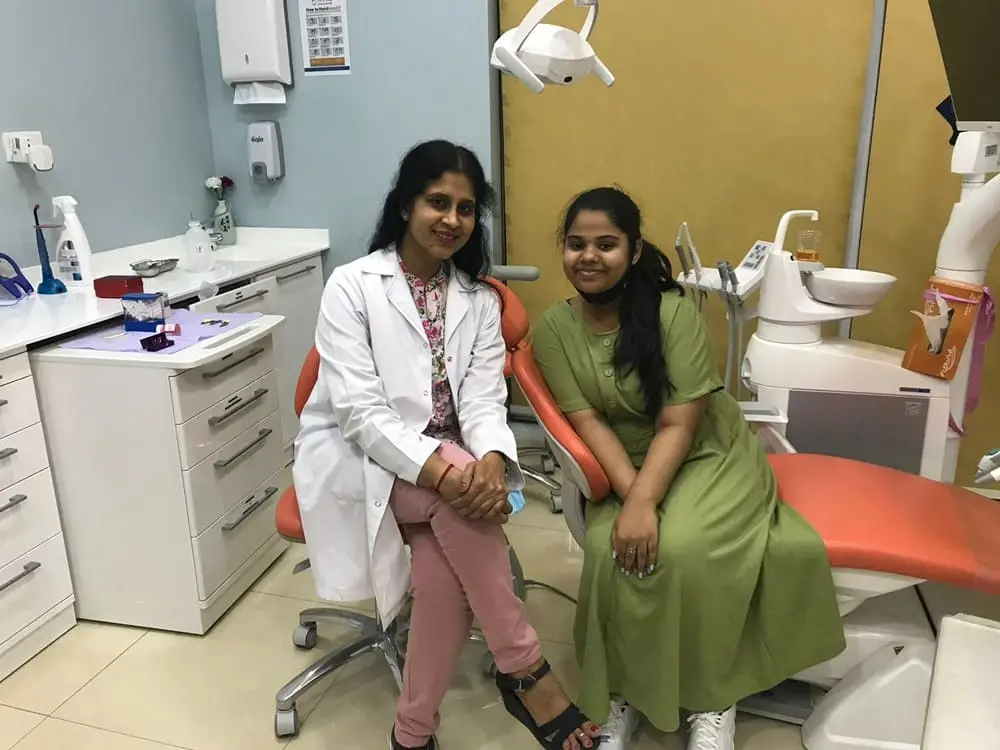
Dental CAD/CAM is fast because it uses intraoral scanning, AI-driven CAD and chairside milling. It is also precise because it uses controlled cement spaces, compensated toolpaths and regular calibration. Choose zirconia or lithium disilicate to get the right mix of strength and beauty. Then, finish with disciplined QC and maintenance. Because of this, you can cut back on appointments, make your margins better, and make patients happier without losing your artistic touch.
Yes—when designed correctly and milled in zirconia or lithium disilicate, strength and fit rival lab work.
Typically 60–120 minutes including scan, design, mill, and crystallize/sinter (material dependent).
Often yes, if tissue is retracted and moisture controlled. Otherwise, pack cord or use retraction paste.
Usually no for single units. Complex cases may still use provisionals if lab stages are involved.
With scan bodies and proper protocols, yes. Many clinics and labs mill precise implant bars and abutments.
Commonly lithium disilicate, zirconia (including fast-sinter types), hybrid ceramics, and PMMA for temps.
Capture a clean bite, use dynamic occlusion in CAD, and verify articulator settings before milling.
Run daily checks on scanners and monthly/quarterly calibrations on mills per manufacturer guidance.
It’s manageable. Assign roles (scan, design, mill), follow checklists, and start with posterior units.
Yes. You save on temporaries, courier time, remakes, and chair time—while increasing case acceptance.