+971 4 584 1014
 +971 58 684 1014

After whitening your teeth, when you look at yourself in the mirror, your smile looks brighter. But, when you drink cold water, you feel sensitivity. This post whitening sensitivity is one of the most common side effects of the teeth whitening treatment and thankfully, it usually resolves quickly.
At Starry Smile Dental Clinic – Dubai, we see this all the time. Some patients feel only a mild tingle for a few hours. Others get sudden “zaps” for a couple of days, especially when they drink something cold, breathe through their mouth, or eat sweet foods.If you follow the right steps, you can get immediate relief and protect your teeth.
From this below, you can learn about the reasons for it, what helps with it, and how to prevent it from happening again.
Whitening gels have peroxide. These chemicals remove stains by breaking down color molecules and moving through the enamel. That’s the point—and it works. However, during that process, your teeth can become temporarily “reactive.” In simple terms, the nerve inside the tooth becomes easier to trigger for a short period.
You’re more likely to feel sensitivity if you already have:
Also, if you whiten right after a deep clean, your teeth can feel extra conscious. It is nothing but your mouth may just need some time to heal. Get details on Dental Clinic in Dubai.
Most people improve within a short window:
If the pain continues more than seven days, became worse, or stays in one particular tooth, then you need to give extra attention. Sometimes the real problem is a hole, crack, or gum problem, and whitening makes it stand out. Looking for a Orthodontic Treatment in Dubai?
This is the fastest option. Choose a desensitizing toothpaste and check it whether these things in it:
The trick that most people miss is this: don’t just brush and clean immediately.
Fast-relief method:
Do that morning and night for a few days and you’ll usually notice a difference. Get details on Teeth Whitening Treatment in Dubai.
Fluoride strengthens tooth enamel and provides relief for sensitive teeth. If you are whitening your teeth, a fluoride mouthwash can be helpful, particularly at night when your saliva flow decreases.
If the mouthwash contains alcohol then you have to stop using them. They might make your mouth feel worse and drier.
If you’re using strips, pens, or tray whitening at home,stop them. Your shade won’t suddenly “drop back” in two days, but your teeth will calm down.
If you’re using trays, you can also adjust the plan:
Most importantly, don’t try to “push through” sensitivity to finish a course quickly. That usually backfires. Get details on In-office whitening in Dubai.
This sounds basic, but it’s honestly powerful. For 24–48 hours, avoid extremes:
Try to skip:
Choose instead:
Your teeth can’t “zap” as easily when you stop triggering them.
After whitening, some people switch to “extra whitening” toothpaste or charcoal products. However, many of these are abrasive, and that can make sensitivity worse.
So, for now:
After drinking acidic drinks you shouldn’t brush your teeth.Wait for half an hour for the enamel to set again. Get details on Whitening Trays.
If you are experiencing an excessive amount of pain, you might take a painkiller that is helpful for a short period of time. (have it if it’s safe ). You can use them with desensitizing toothpaste and a whitening break.
Quick guide: what helps, and how fast?
| Relief option | Best for | Typical improvement |
| Desensitising toothpaste | Most whitening sensitivity | 1–3 days (sometimes same day) |
| Fluoride rinse/gel | Enamel support + nerve calming | 24–72 hours |
| Break from whitening | Overuse sensitivity | Often within 48 hours |
| Lukewarm foods/drinks | Reducing triggers | Immediate reduction in “zaps” |
| In-clinic desensitising care | Moderate–severe cases | Can help the same day |
Book an appointment if you notice:
If you are having these symptoms, it is possible that you have a cavity, a crack, gum recession, or a nerve problem. Not only can whitening not induce fading, but it can also make problems that were already present far more severe.
At the Starry Smile Dental Clinic in Dubai, we are able to perform a thorough examination of the tooth and provide specific solutions, such as expert fluoride treatments, protective coatings, or bonding for regions that are exposed, depending on the situation.
Related Articles:
» How to Reduce Sensitivity After Teeth Whitening
» Teeth Whitening for Sensitive Teeth: Gentle Solutions for a Radiant Smile
» How to maintain your bright smile after Teeth Whitening?
» How Teeth Whitening Treatments Can Improve Your Smile?
» Benefits of Teeth Whitening Treatments for a Brighter Smile
If you’re planning another whitening session, prevention makes a huge difference:
And if you already know you’re sensitive, say so early. That one detail changes the whitening plan completely.
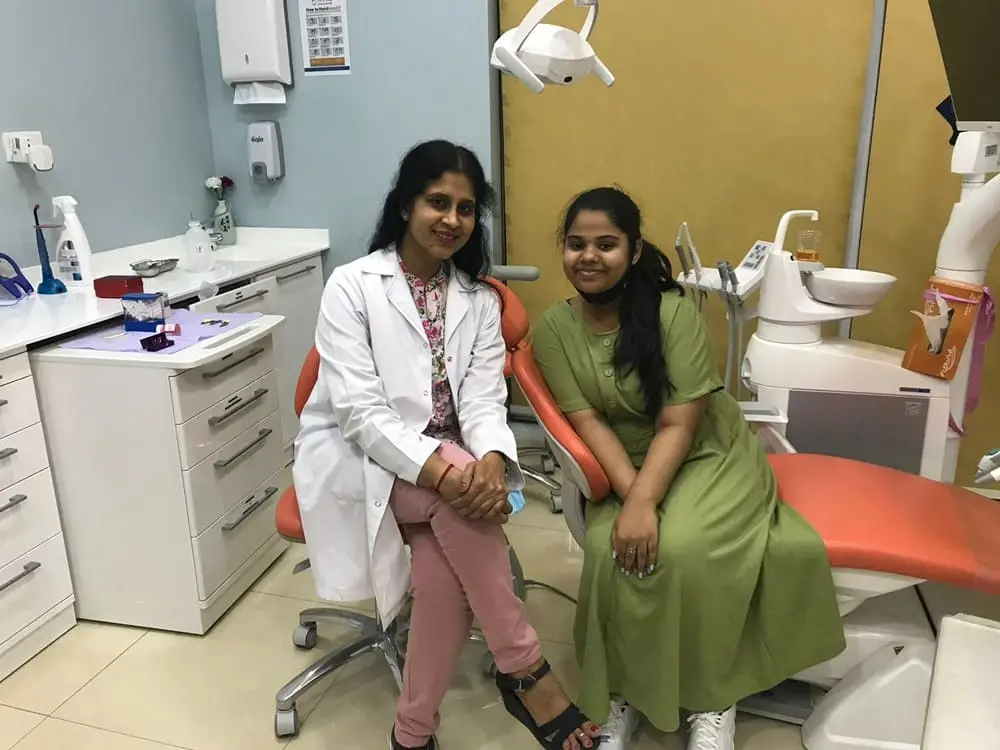
Two things are necessary in order to effectively manage post-whitening sensitivity: first, relax the nerve, and second, prevent aggravating it. Make sure that your toothpaste has a desensitizing effect, keep foods and drinks warm for a short period of time, and stop whitening your teeth if necessary.Most people feel better quickly.
If the pain does not cure or if it has only one tooth, do not try to diagnose it yourself. You need to consult a dentist. A simple examination by a dentist will save you from suffering for many days and prevent more serious problems from developing.
Yes. Post-whitening sensitivity is normal and it is temporary only.
You can use desensitizing toothpaste and stop whitening for 2 to3 days, and avoid hot or cold things.
You can use toothpastes which have potassium nitrate, stannous fluoride, arginine, or hydroxyapatite.
Yes you should stop. Otherwise it can make sensitivity worse.
Yes, you can drink, but if you feel sensitive then drink warm water for 1 to 2 days.
If the whitening is done properly,then it is safe. But,excessive use and abrasive products can cause enamel erosion.
It might be a cavity, a crack, gum recession, or a leaky filling if it continues to be sensitive..Check it out.
Yes. Fluoride helps enamel and can make teeth low sensitive.
Some can, particularly mouthwash that are powerful and have alcohol in them. If you need to, choose soft options.
They can, if it is used frequently or longer than recommended.
Wait until the sensitivity is fully established, and then consider longer intervals between sessions.
If the pain continues for more than seven days, worsens, or is confined to only one tooth, take an appointment for an examination.