+971 4 584 1014
 +971 58 684 1014
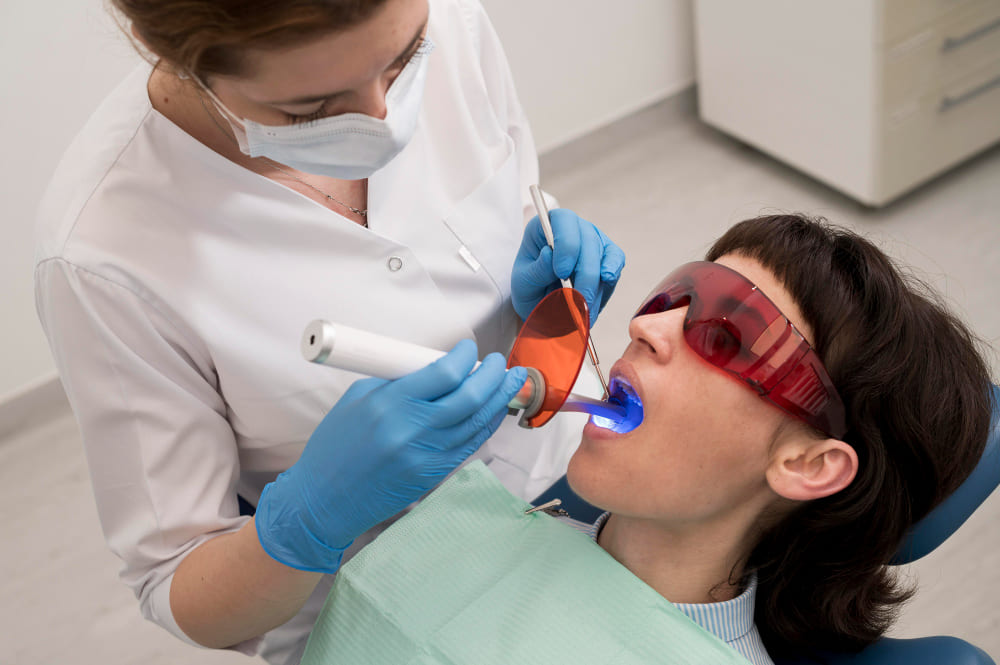
Patients hear that laser dentistry feels smoother and heals faster. Moreover, many hope it finally ends the whine of drills and the sting of scalpels. Therefore, let’s unpack what happens during laser gum treatment and laser cavity treatment and whether comfort truly improves. Additionally, we will look at safety, candidacy and realistic expectations so your next dental visit feels predictable.
Dentists use focused light to cut, coagulate or decontaminate soft/ hard tissue. Moreover different wavelengths target water, blood, pigment or mineral. Therefore, a dental laser can sculpt gums, disinfect pockets or even remove decayed enamel under specific settings. Additionally, cooling and pulse control limit heat spread to nearby structures. Consequently, clinicians can be precise while keeping surrounding tissue calmer.
Pain usually comes from pressure, vibration, heat and inflammation. Moreover, lasers remove most vibration and reduce mechanical pressure on teeth and gums. Therefore, patients report less immediate discomfort during laser cavity treatment and laser gum surgery. Additionally lasers seal tiny blood vessels and nerve endings as they work. Consequently bleeding drops, swelling reduces and post-op tenderness often eases faster.
Some cases still require local anaesthetic, especially with deep decay. However, many shallow procedures proceed with minimal numbing. Moreover, the absence of drilling noises reduces anxiety for sensitive patients. Therefore, people who avoid care due to sound or sensation frequently tolerate laser dentistry better. Additionally, shorter appointments become possible when bleeding control improves. Consequently, your total time in the chair can shrink.
Gum overgrowth, uneven smiles or chronic infection create daily frustration. Moreover, targeted laser gum treatment reshapes the margin, disinfects pockets and supports reattachment protocols. Therefore, clinicians remove diseased tissue while preserving healthy structures. Additionally, many patients notice reduced bleeding during brushing within days. Consequently, breath improves and home care feels easier.
Early or moderate lesions can respond well to laser cavity treatment depending on location and enamel thickness. Moreover, lasers vaporise decayed tissue with minimal microfracture of surrounding enamel. Therefore, the bond to modern composites often improves due to a clean, etched surface. Additionally, the absence of vibration helps anxious patients sit still. Consequently restorations seat neatly and polish beautifully.
Because laser seal vessels and reduce collateral damage, soft tissues generally settle quickly. Moreover, many people return to normal activities the same day. Therefore, you often experience less need for pain relievers after laser dentistry than after conventional cutting. Additionally, smaller wounds collect less plaque, which supports cleaner healing. Consequently, follow-up visits focus on progress rather than troubleshooting.
Light energy demands respect and training. Moreover, clinicians use eyewear, suction and calibrated settings for each tissue type. Therefore, the risk profile remains low when protocols guide every step. Additionally, cooling, pulsing and motion reduce heat build-up in pulp or bone. Consequently, treatment stays comfortable while structures remain safe.
Cavities under bulky crowns, cracked teeth or extreme gum defects may need traditional methods. Moreover, impacted wisdom teeth and large bone reshaping still rely on conventional surgery. Therefore, a comprehensive exam decides the approach rather than device preference. Additionally, mixed plans work well: the dentist may combine laser decontamination with standard instruments. Consequently, you get precision without compromising outcomes.
The familiar drill brings noise and vibration, which many people dread. Meanwhile, scalpels leave open wounds that can throb. However, laser dentistry replaces both with light-driven cutting and simultaneous coagulation. Moreover, you feel less tugging and almost no rattling through your jaw. Therefore, the overall sensation becomes more tolerable and frequently, quicker. Additionally, the emotional load—anticipation, flinching, bracing—drops dramatically. Consequently, your memory of the visit often feels neutral rather than negative. Looking for a Dental Clinic in Dubai?
Oral bacteria complicate healing after invasive work. Moreover, lasers carry a meaningful decontamination effect inside periodontal pockets and around cavities. Therefore, microbial counts can fall during the procedure itself. Additionally, cleaner fields reduce flare-ups and malodour. Consequently stitches if needed, remain calmer and less inflamed.
Uneven gum lines distract from otherwise healthy teeth. Moreover, laser gum contouring sculpts margins with millimetre accuracy and minimal bleeding. Therefore, the dentist previews the symmetry and fine-tunes quickly. Additionally, photos show improvements immediately because tissues are clear, not swollen. Consequently, aligner patients and veneer candidates love the instant polish.
Laser system require investment and training, so fees may run slightly higher. However fewer follow-ups and less downtime can offset the difference. Moreover shorter chair time carries value for busy schedules. Therefore discuss itemised estimates before treatment so numbers feel transparent. Additionally, ask whether your plan mixes conventional and laser steps. Consequently, your bill reflects needs rather than a one-size-upgrade.
Post-op instruction look simple: keep the area clean, avoid harsh scrubbing and follow dietary advice. Moreover anti-inflammatory rinses and gentle brushing protect early healing. Therefore soreness usually fade quickly compared with scalpel approaches. Additionally hydration and rest support tissue repair during the first 24 hour. Consequently you return to normal routines with confidence.
No technique guarantees zero sensation. However, laser dentistry minimizes common triggers that create pain, like vibration, pressure and uncontrollable bleeding. Moreover, numbing remains available when deep structures need it. Therefore, anxiety drops because the experience feels calm and controlled. Additionally, patients often say they “felt something, but not much.” Consequently, the promise of “less hurt” proves fair, while “no pain ever” oversells it.
Related Articles:
» How to Keep Your Gums Healthy?
» What makes Gums Bleed and how to Stop it?
» Ways to Take Care of Your Gums
» Are you at high risk for cavities?
» Understanding Cavities: Symptoms, Causes and Effective Treatments
Results depend on training, assessment and case selection. Moreover, experienced clinicians match wavelength and settings to your tissue and objective. Therefore ask about certifications, maintenance routines and safety protocols. Additionally request a clear plan that explains why a laser helps in your exact situation. Consequently trust grows and outcomes improve.
For many patients, yes. Laser gum treatment and laser cavity treatment reduce vibration, minimise bleeding and shorten healing time. Moreover, anxiety eases because the sensory profile stays gentler. Therefore, while not every case fits the laser playbook, the comfort gain feels real when indicated. Additionally, a thoughtful dentist can blend tools for the best result. Consequently, you enjoy healthier gums, cleaner fillings and a calmer visit from start to finish.
Not always. However, shallow or soft-tissue procedures often need little or no anaesthetic. Moreover, your dentist will numb deeper work to protect comfort.
Yes, when cases are suitable. Moreover, lasers prepare clean surfaces for bonding. Therefore, the restoration strength depends on technique and material quality.
Most patient resume normal routine the same day. Moreover tenderness tends to be mild. Therefore, follow simple hygiene instructions and stay hydrated.
Yes, in trained hands. Moreover, calibrated settings and cooling protect deeper structures. Therefore, safety protocols and eyewear keep procedures controlled.
Often slightly due to equipment and training. However fewer follow-ups and less downtime add value. Moreover clear estimates help you decide confidently.