+971 4 584 1014
 +971 58 684 1014
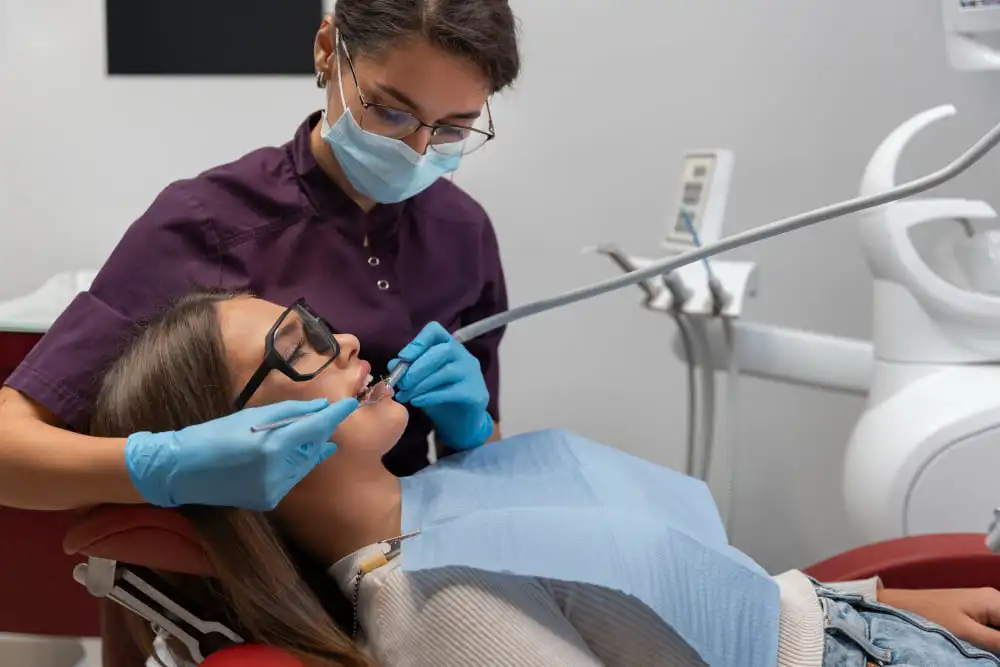
You smile in the mirror, and then you spot it—an annoying dark outline right where the crown meets the gum. Sometimes it looks like a thin pencil line. Other times it’s a greyish shadow that shows up in photos, especially with bright light or flash. Either way, it can feel like your crown “gave away” that it’s not a real tooth.
This issue has a name: black lines at crown margins. And while it’s common, it shouldn’t be ignored. In many cases, it’s only cosmetic. Still, in some situations, it signals a poor seal, trapped plaque, or even early decay around the edge.
At Starry Smile Dental Clinic – Dubai, patients ask about this all the time—especially those who’ve had crowns for years, those with porcelain-fused-to-metal crowns, and anyone dealing with gum recession. So let’s make it simple: what causes the line, how you can tell if it’s serious, and what actually fixes it.
A crown margin is the finishing edge of your crown—where the crown meets your natural tooth. Ideally, that edge sits snug and smooth. It should seal well, feel comfortable with floss, and blend with the gumline.
However, when the margin becomes visible or discoloured, you may notice a dark line. That line can come from the crown material, gum changes, staining, or leakage. Looking for a Dental Clinic in Dubai?
If you have an older crown, there’s a good chance it’s a PFM crown (porcelain-fused-to-metal). These crowns contain metal under porcelain. Over time, the gum can recede slightly, and the metal edge near the margin becomes visible. As a result, you see a grey or black line right at the gumline.
Also, some people have thin gum tissue. In that case, the metal can create a shadow even if recession is minimal.
Sometimes the crown hasn’t changed—your gums have. Gum recession can happen due to aggressive brushing, clenching, gum disease, genetics, or simply ageing. When the gum pulls back, it exposes the margin and makes the crown edge easier to see.
Additionally, recessed gums create more “ledge space,” so stains build up faster. Get details on Dental Crowns.
In Dubai, tea, coffee, spices, and smoking can stain teeth quickly. And crown margins can collect plaque easier—especially if the edge is slightly rough or sits in a tricky spot.
Over time, plaque hardens into tartar. Then it grabs stains like a sponge. So yes, sometimes the “black line” is just built-up stain.
A crown stays in place with dental cement. Over the years, that cement can weaken at the edge. When that happens, tiny gaps let in saliva and bacteria. Dentists call this microleakage.
Here’s the key point: microleakage can create a dark margin and it can lead to decay under the crown.
This is the one you don’t want to delay. Decay can form where the crown meets the tooth, especially if the margin doesn’t seal perfectly or plaque stays trapped.
Early decay might not hurt. Still, it can grow quietly. That’s why a small dark line that keeps getting worse deserves an exam and X-ray.
If a crown margin slightly overhangs—or if it leaves a small gap—food and plaque collect easily. Then inflammation starts, the gum darkens, and staining increases. Meanwhile, floss may shred or catch.
Even a small fit issue can cause a big cosmetic problem over time.
Some gums are naturally thin and show shadows more easily. Also, inflamed gums can look darker near the edge, which makes the crown margin appear worse than it is.
So, sometimes the “line” is partly shadow + partly irritated gum tissue. Looking for a Orthodontic Treatment in Dubai?
If you’re unsure, don’t try to guess. A quick dental check can save you from a bigger problem later. Get details on Dental Fillings.
If the dark line is mostly stain or tartar, a professional cleaning can remove it quickly. Plus, after cleaning, your dentist can properly assess the margin.
If gum bleeding or swelling is present, gum care comes first. Otherwise, the line may return again and again. Depending on the case, treatment may include deep cleaning and home-care upgrades.
Sometimes the crown has a tiny rough edge or overhang. In select cases, your dentist can smooth it to reduce plaque buildup. However, not every crown allows safe adjustment, so the dentist decides after examination..
If the metal collar causes the black line, the most reliable aesthetic fix is replacing the crown with a metal-free option such as zirconia crowns or Emax crowns (depending on bite and location).
Metal-free crowns avoid that grey margin look and typically blend better at the gumline.
If X-rays show leakage or decay under the crown, replacing the crown becomes the safer option. The tooth underneath must be cleaned and restored properly first. If decay is deep, root canal treatment (or retreatment) may be needed before a new crown.
When gum recession exposes a crown margin heavily—especially in the smile zone—gum grafting may improve coverage and aesthetics. It can also reduce sensitivity and protect the tooth root.
Related Articles:
» What You Need to Know About Dental Crowns?
» From Cleaning to Crowns: Exploring Common Dental Treatments
» Broken Filling or Crown: Temporary Fixes and Next Steps
» Everything You Need to Know About Dental Bridges
» Dental Implants or Bridges? How to Choose for Long-Term Success?

A dark line around a crown can be a simple stain—or it can be an early warning sign. Either way, you don’t have to live with it. Once we identify the cause, the fix can be as simple as polishing or as complete as upgrading to a modern ceramic crown.
If your crown margin looks darker than before, or if the gum around it bleeds or feels sensitive, it’s worth getting it checked.
Yes, especially with older PFM crowns or gum recession.
If it’s stain/tartar, yes. If it’s metal shadow or decay, no.
Metal-free crowns reduce grey margin issues, but staining can still happen if plaque builds up.
No. However, if it’s new or worsening, check it to rule out microleakage or decay.
Flash increases contrast and highlights shadows at the gumline.
Usually not. Crowns don’t whiten the same way natural teeth do.
That often suggests plaque trapping, gum inflammation, or a margin issue. Get it examined.
Sometimes, if the crown is intact and the tooth underneath is healthy.
Not always. Brushing too hard, thin gums, and clenching can also cause recession.
Clinical exam + X-rays + checking the margin and gum response.
If the metal collar shows in the smile zone, replacing it often improves appearance a lot.
If it’s new, darker, or paired with sensitivity/bleeding, book a check soon.