+971 4 584 1014
 +971 58 684 1014
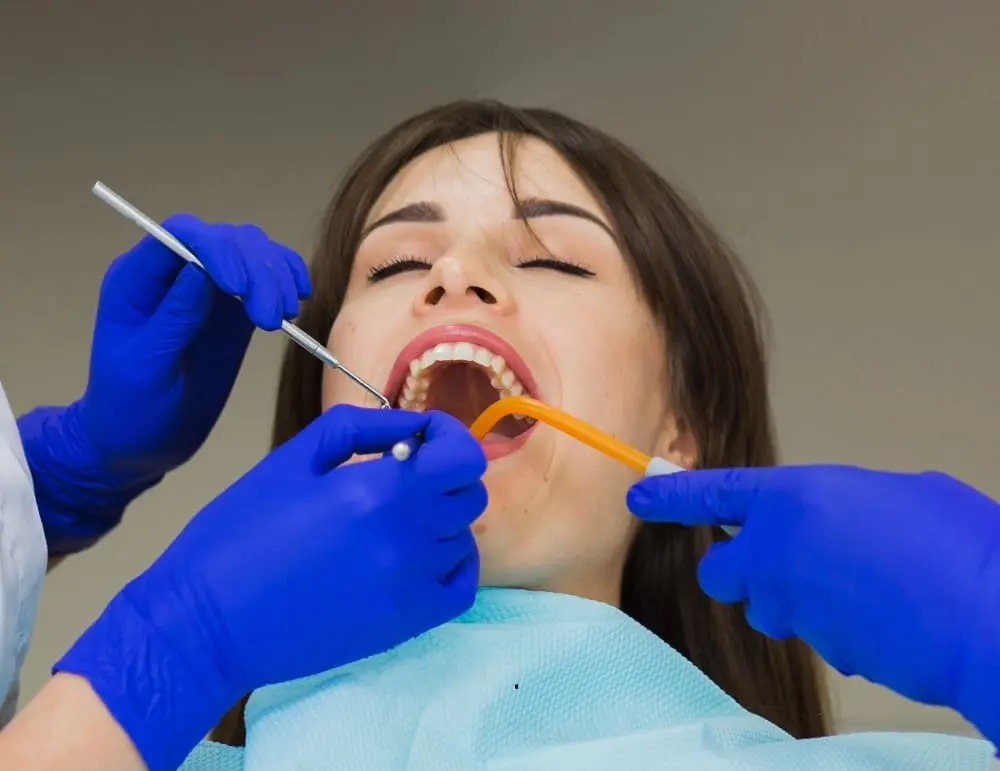
You finally finish a root canal treatment and feel that relief—no more throbbing, no more “can’t-chew-on-that-side” stress. Then your dentist says, “Next step: a crown after root canal.” And naturally you think: Is it really necessary… or is it just extra?
Here’s the honest answer: a post-root canal crown is sometimes mandatory and sometimes optional, depending on the tooth, how much structure is left, and the bite forces it faces every day. At Starry Smile Dental Clinic – Dubai, we explain this decision in a simple way, because you deserve clarity, not confusion.
Also, quick note: I wrote this as original content. Still, please run it through your preferred plagiarism checker if you need a formal “plagiarism checked” report.
A root canal removes infected or inflamed pulp from inside the tooth, then seals the canals. That saves the tooth, which is great. However, after treatment:
Importantly, the root canal itself doesn’t make the tooth fragile like glass. Instead, loss of tooth structure is the big reason teeth fracture later. So, the restoration choice matters a lot. Get details on Dental Clinic in Dubai.
A dental crown is a cap that covers the tooth and protects it. Think of it like a helmet. It can:
The American Association of Endodontists also notes that after root canal treatment, patients usually return to their dentist for a crown or other restoration to fully restore the tooth.
Back teeth (molars and many premolars) + big fillings + heavy chewing forces.
Front teeth (incisors/canines) with minimal damage + strong remaining enamel + stable bite.
Now let’s break it down properly.
Your molars take the biggest chewing load. Because of that, a root canal molar without cuspal protection can crack more easily. Multiple reviews show better long-term outcomes when posterior root canal teeth receive full coverage or cuspal coverage restorations.
In real life: if you chew meat, nuts, hard bread, or even just grind your teeth at night, the risk goes up fast.
If more than a small part of the tooth remains, the tooth needs support. When a tooth loses cusps (the “peaks”), it can split under pressure. In those cases, a full coverage crown (or another cuspal coverage option) becomes the safe choice.
If your dentist sees crack lines, or you report sharp pain on biting before treatment, your tooth may already be compromised. A crown helps hold the tooth together and spreads force more evenly.
Dubai life is busy, and many people unknowingly clench during work or sleep. If you grind, even a “good-looking” tooth can fail faster without protection. So yes—many grinders need crowns more urgently.
If the root canal tooth will support a bridge, take orthodontic load, or hold a stable bite, it usually needs a crown. Otherwise, you risk breakage at the worst time. Looking for a Pre-Molar Root Canal Treatment?
Here’s where people get surprised. Not every root canal tooth needs a crown immediately—some can do well with a bonded restoration if conditions are perfect.
Front teeth don’t take the same chewing load as molars. If the root canal access was small and the tooth still has strong walls, a high-quality bonded composite restoration may work.
Still, if the tooth darkens or chips easily, a crown (or veneer in select cases) may make more sense for aesthetics.
If the tooth doesn’t hit heavily when you bite, and the dentist confirms stable occlusion, a crown may be optional—at least short-term.
Some teeth can do well with an onlay/overlay or an endocrown (especially certain molars), depending on structure and bonding conditions. This can preserve more natural tooth than a traditional crown. Get details on Re-root Canal Treatment in Dubai.
|
Option |
Best for |
Main benefit |
Main limitation |
|
Composite filling |
Small access, front teeth, minimal damage |
Conservative and fast |
Less protection against fracture in back teeth |
|
Onlay/Overlay |
Premolars/molars needing cusp coverage |
Saves more tooth than full crown |
Needs excellent bonding and case selection |
|
Full crown |
Molars, large damage, cracks, heavy bite |
Strong protection and full coverage |
Requires more tooth reduction |
|
Post + core + crown |
Very broken-down teeth |
Rebuilds tooth for retention |
Not always needed; depends on remaining tooth |
If the tooth is severely broken, a post may help rebuild it. NHS resources also describe posts as a way to rebuild a tooth after root canal so a crown can sit properly.
Dentists don’t decide crowns based on a single rule. We look at:
Also, the AAE has pointed out that “universal crown placement” for every root canal can be overtreatment—meaning the plan should match the tooth, not a one-size-fits-all habit. Get details on Dental Fillings.
In many cases, sooner is better—because delay increases the risk of leakage, new decay, or fractures. The AAE advises returning for the final crown restoration as soon as possible once endodontic work is completed.
That said, your dentist may wait a short time if:
Related Articles:
» Exploring the Reasons for Root canal treatment
» Benefits of Root Canal for Your Overall Oral Health
» What to Expect During Your First Root Canal Treatment?
» Importance of Proper Root Canal Cleaning and Shaping
» How Root Canal Treatment Can Save Your Tooth and Relieve Pain?
A smooth process usually goes like this:
And yes, you might feel mild tenderness for a few days. That’s common, and it settles with time.
A post-root canal crown isn’t automatically mandatory for every tooth. Still, for many molars and premolars, it’s the smart protective step. Meanwhile, for select front teeth with minimal damage, a crown can be optional—if the tooth is strong and the restoration seals well.
No. Many back teeth need it, but some front teeth with minimal damage may not.
Because molars handle strong chewing forces, and coverage improves long-term success in many cases.
Sometimes, yes—mainly for front teeth or small access cavities. For molars, it’s risky.
The tooth can crack or leak, and the root canal may fail. Early restoration reduces risk.
Not exactly. The biggest issue is loss of tooth structure from decay and drilling.
Yes, in some situations. But the dentist needs to make sure that the bonding circumstances are good and that there is enough tooth structure.
Not always. A post is mainly for rebuilding severely broken teeth so they can hold a crown properly.
It depends on location and bite. Many back teeth suit strong options like zirconia. Front teeth may prioritise aesthetics.
A crown helps seal and protect, but good oral hygiene and regular checkups still matter a lot.
Usually yes. You may feel slight sensitivity around the gums for a bit, but function returns when the bite is balanced.
Sometimes, but it’s unpredictable—especially for molars. Protection increases survival in many studies.
Signs include sharp pain on biting, “release pain,” or a sudden crack sensation. Book an exam quickly if you feel that.